
How to Tell If You Have a Cavity: 7 Signs Las Vegas Patients Should Not Ignore
How to Tell If You Have a Cavity: 7 Signs Las Vegas Patients Should Not Ignore
Why Cavities Are Not Always Painful in Their Early Stages
A cavity can develop gradually, often without causing pain or obvious changes in your teeth. Tooth decay begins when acids produced by bacteria in dental plaque weaken the enamel. Over time, this process can damage the tooth's protective outer layer and create a cavity.
A cavity can cause tooth sensitivity, pain, visible discoloration, or a small hole in the tooth. However, early cavities often have no noticeable symptoms, so routine dental exams are important for detecting tooth decay before it progresses.
For patients in Las Vegas and Henderson, recognizing the warning signs of tooth decay can help protect their oral health and avoid more extensive dental treatment. Whether you have noticed sensitivity while drinking coffee, discomfort when chewing, or an unusual spot on a tooth, knowing what to look for is an important first step.
7 Signs You May Have a Cavity
Cavities do not look or feel the same for everyone. Some produce noticeable discomfort, while others remain hidden until a dentist identifies them during an examination.
1. Tooth Sensitivity to Hot, Cold, or Sweet Foods
Does a sip of iced water or a bite of ice cream cause a sharp sensation in one tooth? Sensitivity to cold drinks, hot beverages, sugary foods, or sweets can be a sign of tooth decay.
As enamel weakens, temperature changes and other stimuli may affect the sensitive structures beneath it. However, sensitivity can also result from gum recession, enamel erosion, teeth grinding, or other dental conditions. If sensitivity repeatedly affects the same tooth or becomes more pronounced, schedule a dental consultation rather than assuming the problem will disappear.
2. Toothache or Spontaneous Discomfort
A persistent toothache, dull ache, or sudden discomfort without an obvious trigger may indicate a cavity. As decay advances toward the inner portion of a tooth, inflammation can cause increasingly noticeable pain.
Pain that wakes you at night or lingers after eating deserves particular attention. Although toothaches have several possible causes, a dentist can determine whether decay, crack or chipped teeth, or another condition is responsible.
3. White, Brown, or Black Spots on a Tooth
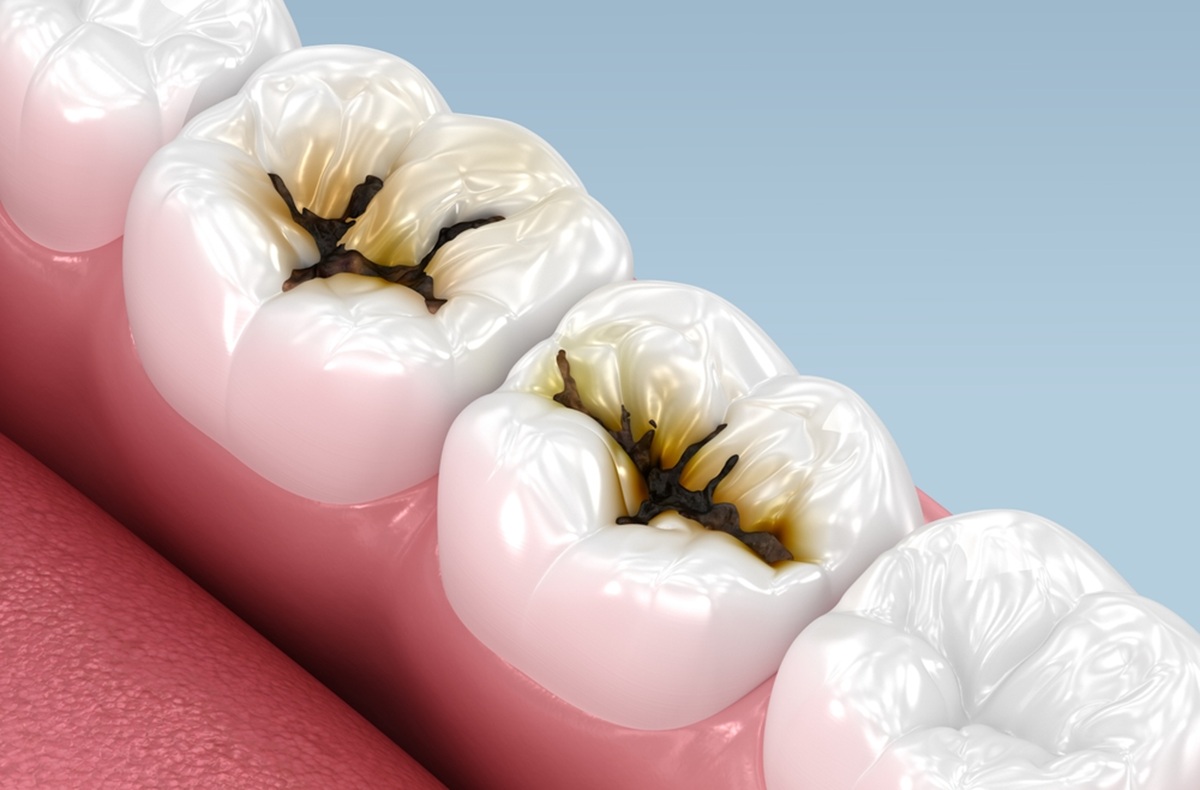
Changes in tooth color may be another warning sign. Early enamel demineralization can appear as a chalky white spot. As decay progresses, affected areas may develop brown or black discoloration.
Not every dark spot is a cavity, and some cavities are difficult to see without professional examination. Staining, tartar, and other changes can look similar, so avoid diagnosing tooth decay based on color alone.
Related: 10 Helpful Tips to Prevent Teeth Staining
4. Visible Pits or Holes in Teeth
A small pit, indentation, or hole in a tooth may indicate that decay has damaged the enamel. You might notice it while brushing or see it in the mirror.
A cavity can develop between teeth or in other areas that are difficult to inspect yourself. If you notice a new hole or rough area, arrange a dental appointment promptly. Brushing and flossing cannot repair a hole that has already formed.
5. Pain When Biting or Chewing
Discomfort when biting down on food may be associated with a cavity, particularly if decay has weakened the tooth. However, a cracked tooth, a damaged filling, or inflammation around the tooth can cause similar symptoms.
Pay attention to pain that repeatedly occurs in the same location. A dentist can examine the tooth and determine whether decay or another problem needs treatment.
6. Food Frequently Getting Trapped in One Area
If food repeatedly becomes lodged between the same two teeth or in one particular spot, there may be a change in the tooth's surface or the space between the teeth.
A cavity can create an area where food collects, but other causes include worn fillings, gum changes, and naturally open spaces. Flossing gently can help remove trapped food, but recurring problems should be evaluated by a dental professional.
7. No Symptoms at All, Despite Developing Decay
One of the most important signs to understand is that you may have a cavity without experiencing any symptoms whatsoever.
Early tooth decay may affect enamel without causing pain, sensitivity, or visible damage. Even some cavities that have progressed beyond the earliest stage produce few noticeable symptoms.
Routine dental examinations help identify problems before discomfort develops. Do not wait for a toothache before seeking preventive dental care.
What Does an Early Cavity Look Like?
An early cavity may appear as a small, chalky white area where enamel has lost minerals. Some developing lesions may appear brown, while more advanced decay can create a visible pit or hole.
Early enamel changes do not always mean that a permanent cavity has formed. In some cases, a dentist can help manage noncavitated decay through fluoride treatments, improved oral hygiene to maintain good oral health, and dietary changes.
Once tooth decay creates a physical hole in the tooth, a filling is generally needed to restore the damaged area. The appearance alone cannot reliably establish how deep the decay extends, so professional assessment is essential.
Can You Have a Cavity Without Tooth Pain?
Yes. A cavity can develop without pain because the outer enamel does not contain the same sensory nerve structures found in the inner portion of a tooth.
As decay approaches the dentin and eventually the pulp, which contains nerves and blood vessels, sensitivity and pain may become more likely. However, symptoms vary, and the absence of pain does not mean a tooth is healthy.
Regular dental checkups and recommended X-rays can reveal decay that is not visible or causing discomfort. If you are overdue for an examination, consider scheduling one even if your teeth feel normal.
How Do Dentists Diagnose Cavities?
A dentist evaluates your teeth using a combination of clinical examination, symptom history, and diagnostic tools when appropriate.
The process may include:
Visual examination: Checking for discoloration, weakened enamel, pits, and other changes.
Dental instruments: Assessing tooth surfaces for areas that may indicate decay.
Dental X-rays: Identifying cavities between teeth or beneath surfaces that cannot be fully evaluated visually.
Symptom assessment: Discussing sensitivity, chewing discomfort, and any changes you have noticed.
Not every patient needs X-rays at every appointment. Your dentist will recommend imaging based on your dental history, current findings, and individual risk factors.
What Happens If a Cavity Goes Untreated?
Tooth decay generally progresses when the loss of minerals exceeds the tooth's ability to repair itself. Without appropriate care, the damage may extend deeper into the tooth.
Potential complications include:
Increasing sensitivity and pain: Decay may reach the more sensitive inner layers.
Larger cavities: More tooth structure can become damaged, potentially requiring a larger restoration or dental crown.
Pulp inflammation or infection: Advanced decay may affect the tissue containing the tooth's nerves and blood vessels.
Dental abscesses: Infection can cause swelling, significant pain, and other complications.
Tooth loss: Severely damaged teeth may not be salvageable and may need to be replaced. (See also: Cosmetic Dentistry Options to Replace Missing Teeth)
Treatment depends on the stage of decay. Early, noncavitated lesions may be managed with fluoride and preventive care, while established cavities typically require fillings or other restorative procedures.
When Should You See a Las Vegas Dentist?
If you notice tooth sensitivity, a visible spot, discomfort while chewing, or food repeatedly catching around one tooth, schedule a dental consultation as soon as possible. Even without symptoms, regular checkups can help identify decay before it becomes more extensive.
For patients in Las Vegas and Henderson, scheduling an appointment with Dr. Tati of Las Vegas Aesthetic Dentistry to ask about potential cavity symptoms, routine comprehensive dental exams, a dental smile makeover, or other cosmetic dentistry services is easy and efficient.
In the meantime, brush twice daily with fluoride toothpaste, clean between your teeth every day, and limit frequent exposure to sugary foods and drinks. These habits can help reduce your risk of developing additional decay.
You do not need to wait until a tooth hurts to seek help. Whether you live in Las Vegas, Henderson, or a nearby community, a dental examination is the most reliable way to determine whether a suspicious spot or unusual sensation is a cavity. Schedule a consultation today to see how our dental professionals can help.
Frequently Asked Questions
What is the first sign of a cavity?
An early cavity may cause no symptoms. A chalky white spot can indicate mineral loss in enamel, while sensitivity to sweets or temperature changes may develop as decay progresses.
Can a cavity go away on its own?
The earliest stages of tooth decay may be reversed through remineralization, often with fluoride and appropriate preventive care. Once a physical hole has formed, however, the damaged tooth structure does not grow back and generally requires dental restoration.
How quickly does a cavity get worse?
The rate varies depending on factors such as the location and depth of decay, oral hygiene, diet, saliva, fluoride exposure, and individual cavity risk. A dentist can assess the lesion and recommend an appropriate monitoring or treatment plan.
Can a dentist find a cavity before it hurts?
Yes. A visual examination and, when indicated, dental X-rays can reveal decay before symptoms appear. This is one reason routine dental checkups are important.
Does a black spot on a tooth always mean a cavity?
No. A black or brown spot can result from staining or other changes, as well as tooth decay. A dentist must evaluate the area to determine the cause.
Can I get a cavity in a porcelain veneer?
Yes. You can get a cavity in a tooth that has a porcelain veneer. While the porcelain veneer itself is made of strong ceramic material and cannot decay, the natural tooth structure underneath or around it is still vulnerable to plaque, bacteria, and acid erosion.
How do I schedule a cavity evaluation in Las Vegas or Henderson?
You can schedule a consultation for an examination for possible tooth decay here on our website, or by calling us directly at 725-500-0175.