
How to Fix a “Gummy Smile” Without Surgery
How to Fix a “Gummy Smile” Without Surgery
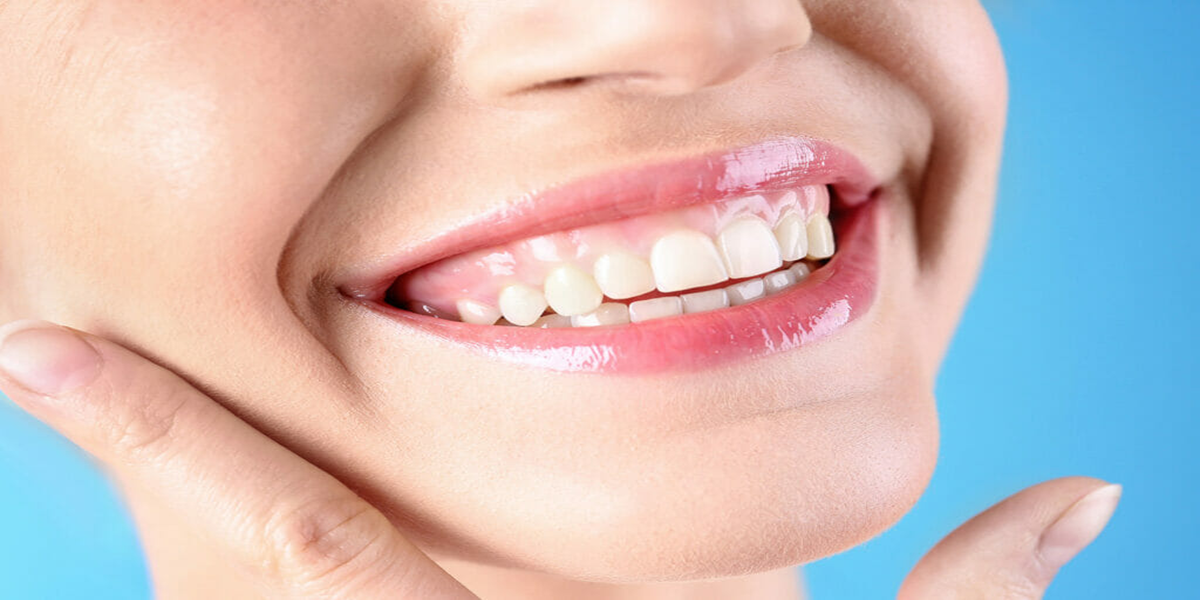
A gummy smile, sometimes called excessive gingival display, is a smile in which more gum tissue shows above the upper teeth than a person prefers. For some people, it is simply a cosmetic dentistry concern. For others, it can make the teeth appear shorter or change the overall balance of the smile.
The good news is that gummy smile treatment does not always require surgery. Depending on what causes the excess gum display, options such as orthodontic treatment, carefully placed botulinum toxin injections, or certain cosmetic dentistry services may reduce the appearance of a gummy smile without the need for surgery. The right approach depends on your teeth, gums, upper lip movement and facial anatomy.
What Causes a Gummy Smile?
There is no single cause of a gummy smile. Excessive gum display can result from several factors, including:
An upper lip that rises significantly when you smile
Hyperactive upper-lip elevator muscles
The position or eruption of the upper front teeth
Gum tissue that covers more of the teeth than expected
Differences in jaw development or vertical facial proportions
Because several factors can contribute at the same time, an experienced cosmetic dentist should evaluate the smile before recommending treatment. A 2024 systematic review emphasized that gummy-smile correction should be personalized according to the underlying cause and severity.
[Schedule a Cosmetic Dentistry Consultation]
1. Botox for a Gummy Smile
For people whose gummy smile is primarily caused by an overactive upper lip, botulinum toxin type A can be a minimally invasive option.
Botulinum toxin (Botox) temporarily reduces the activity of targeted facial muscles. When appropriately placed near the muscles responsible for elevating the upper lip, it can limit how far the lip rises during smiling, reducing visible gum tissue. Research reviews have found meaningful reductions in gingival display after treatment, particularly when muscle hyperactivity is the primary cause.
While Botox treatment is temporary, one meta-analysis found an average reduction of about 3.4 mm two weeks after injection, with the effect gradually diminishing and measurements tending to return close to baseline by approximately 24 weeks. That makes Botox particularly appealing for someone who wants to test a less permanent approach before considering more involved treatment.
However, Botox is not a universal solution. It cannot reposition the jaw or correct every dental cause of excessive gum display. Results also depend on precise dosing, injection location and individual anatomy.
2. Orthodontic Treatment for a Gummy Smile
If the position of the upper teeth contributes to a gummy smile, orthodontic treatment may be worth considering.
Braces or Invisalign can move teeth into a more favorable position. In selected cases, orthodontists may also use temporary skeletal anchorage devices, such as small orthodontic screws, to assist with controlled tooth movement.
Research indicates that orthodontic approaches can be effective for appropriate patients, although the results depend heavily on the underlying diagnosis and severity of the gummy smile.
Orthodontics is generally a longer process than Botox, but it may address the dental mechanics contributing to the appearance rather than temporarily changing lip movement.
Related: Invisalign or Veneers: Which Option is Best for You?
3. Improve the Smile Without Changing the Gums
Sometimes what appears to be a gummy smile is partly an issue of tooth proportions or dental aesthetics. Restorative cosmetic dentistry may improve the balance between teeth, gums and lips.
Depending on the individual case, treatments such as porcelain veneers, composite bonding, or other cosmetic restorations may make teeth appear longer or more proportionate. These cosmetic dental treatments do not physically remove gum tissue, so they are not appropriate for every gummy smile. A cosmetic dentist should first determine whether the teeth themselves are contributing to the appearance.
This is one reason an in-person smile evaluation with a comprehensive dental exam is more useful than choosing a procedure based solely on photographs.
Related: Porcelain Veneers vs Composite Bonding
Can a Las Vegas Cosmetic Dentist Treat a Gummy Smile?
If you are considering treatment in Las Vegas or Henderson, Nevada, look for a Las Vegas cosmetic dentist with specific experience evaluating excessive gingival display, rather than choosing a treatment based only on advertised services.
A Las Vegas cosmetic dentist may evaluate your smile from several angles: how much gum shows at rest and during a full smile, upper-lip mobility, tooth proportions, gum position and the relationship between your teeth and jaws. Depending on the findings, the dentist may recommend Botox, orthodontic consultation, cosmetic dentistry or referral to another dental specialist.
Nevada currently has specific requirements for dentists who provide neuromodulators and dermal or soft-tissue fillers. The Nevada State Board of Dental Examiners states that dentists providing these services must complete Board-approved didactic and hands-on training and meet additional requirements.
Which Nonsurgical Gummy Smile Treatment Is Best?
The best treatment option depends on why your smile looks gummy. If excessive gum display is mainly caused by upper-lip muscle activity, Botox may provide a relatively quick, temporary improvement. If tooth position contributes to the problem, orthodontics may be more appropriate. If tooth proportions are the main concern, cosmetic restorative dentistry could help create a more balanced appearance.
In some cases, a combination of approaches may produce the most natural result.
What to Ask at Your Cosmetic Dentistry Consultation
Before proceeding, ask your cosmetic dentist:
What is causing my gummy smile?
How much gum display do you expect to reduce?
Which treatment addresses the underlying cause?
How long should the results last?
What are the possible risks and limitations?
How much experience do you have treating gummy smiles?
Would I benefit from an orthodontic, periodontal or specialist evaluation?
A qualified provider should explain not only what can be improved, but also what a particular treatment cannot correct.
Las Vegas Aesthetic Dentistry Can Help Weigh Your Options
You do not necessarily need surgery to improve a gummy smile. Botox, orthodontic treatment and carefully selected cosmetic dental procedures can offer nonsurgical or minimally invasive alternatives for appropriate patients.
The most important step is determining the cause before choosing the treatment. If you are in Las Vegas or Henderson, Dr. Tati and her team of cosmetic dentist professionals can provide a comprehensive consultation which can help determine whether your gummy smile is primarily related to lip movement, tooth position, tooth proportions or another anatomical factor, and whether a nonsurgical approach can realistically give you the result you want. Schedule a cosmetic dentistry consultation today to learn more.